Located in Las Vegas, Nevada, the Palms Casino Resort is a prominent establishment known for its vibrant atmosphere and luxurious amenities. Over the years, the ownership of the Palms has seen several significant changes, reflecting broader trends in the gaming and hospitality industries. This case study explores the ownership history of the Palms Casino, highlighting key players and the impact of these changes on the resort’s operations and identity.
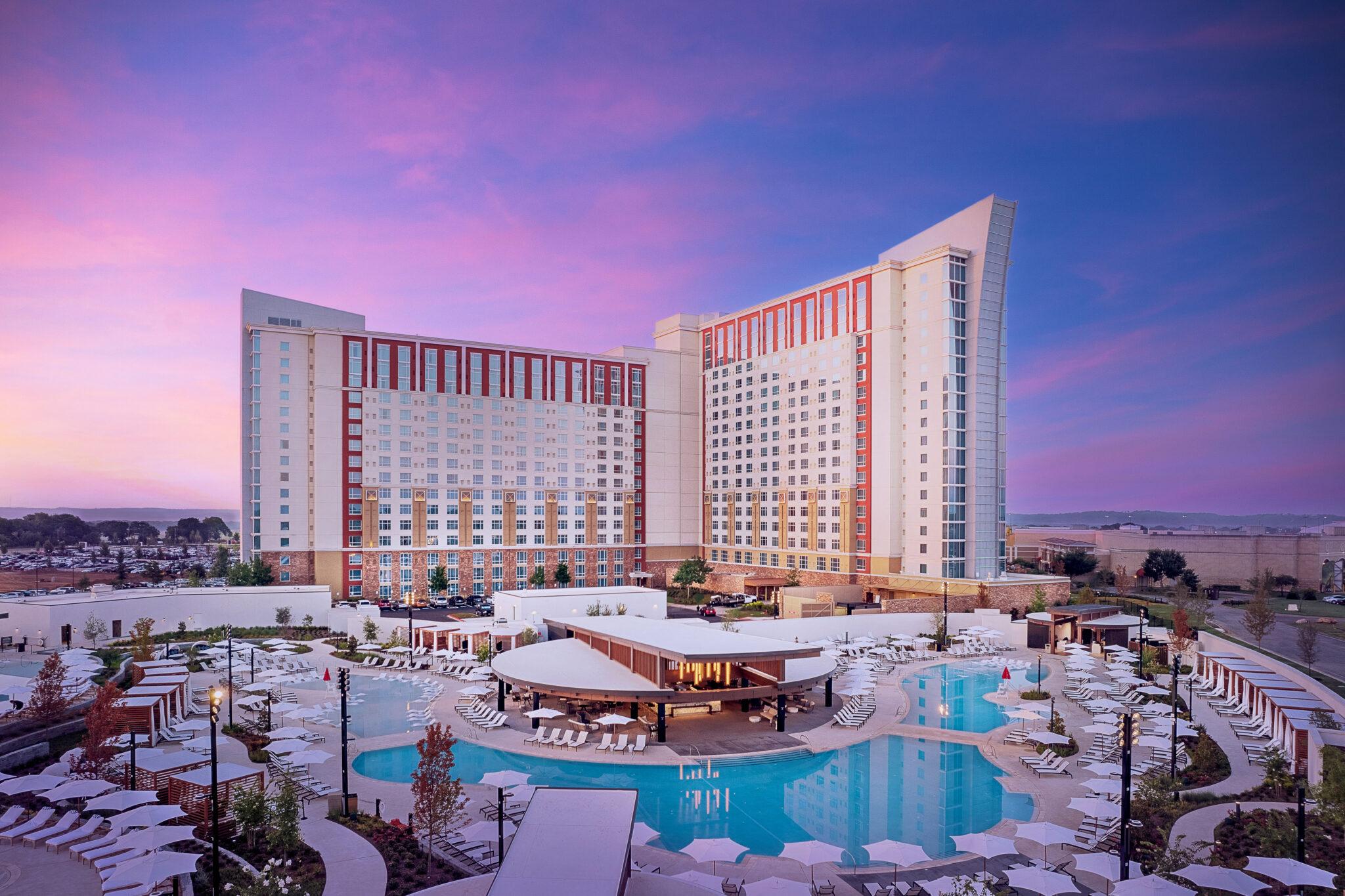
Originally opened in 2001, the Palms was developed by the Maloof family, who were involved in various business ventures, including the NBA’s Sacramento Kings. The Maloofs positioned the Palms as a trendy and upscale destination, appealing to a younger demographic with its chic design and unique offerings, such as the famous “Fantasy Tower” and a variety of nightlife options. Under their ownership, the casino thrived, gaining a reputation for its celebrity clientele and vibrant nightlife.
In 2016, the Maloof family sold the Palms to Station Casinos, a major player in the Las Vegas gaming market, for approximately $313 million. Station Casinos, known for its focus on locals and regional gaming, aimed to revitalize the Palms and reestablish its position in the competitive Las Vegas Strip. The acquisition marked a significant shift in the Palms’ operational strategy, as Station Casinos sought to integrate the resort into its portfolio of properties, which included several other casinos and hotels catering to a diverse clientele.
Following the acquisition, Station Casinos invested heavily in renovations and upgrades to the property, enhancing its facilities and amenities. The goal was to attract both tourists and locals, creating a more inclusive environment. The renovations included the addition of new restaurants, improved gaming areas, and a revamped hotel experience, all designed to appeal to a broader audience.
In 2020, the ownership landscape changed again when the Palms was sold to the San Manuel Band of Mission Indians for $650 million. This acquisition marked a significant milestone as it was one of the first major Las Vegas Strip properties to be owned by a Native American tribe. The San Manuel Band aimed to bring a unique cultural perspective to the Palms, blending traditional hospitality with the vibrant energy of Las Vegas. Their ownership is characterized by a commitment to community engagement and responsible gaming, reflecting the tribe’s values and heritage.
Under the San Manuel Band’s ownership, the Palms has continued to evolve, with a focus on enhancing guest experiences while maintaining its signature style. The new owners have also expressed intentions to engage with the local community and promote cultural initiatives, further differentiating the Palms from its competitors.
In conclusion, the ownership of the Palms winzter casino (winzter-casinouk.com) has transitioned from the Maloof family to Station Casinos and, most recently, to the San Manuel Band of Mission Indians. Each ownership change has brought unique influences and strategies, shaping the Palms into a dynamic and evolving destination in Las Vegas. As the gaming and hospitality industries continue to adapt, the Palms Casino stands as a testament to the impact of ownership dynamics on the identity and success of a major resort.